Neurology

Neurology

Neurology deals with diagnosing and treating brain, spinal cord, and nervous system disorders and diseases.
Neurology

What is Neurology?

Neurology is the medical field that deals with the nervous system, which includes the brain, spinal cord, and the network of nerves throughout the body. It functions as the body's control center, managing and coordinating all bodily activities. It tells your muscles to move, helps you feel pain or touch, and lets you think and remember things.

Medical professionals specializing in this area are known as neurologists. They check how your brain and nerves are working and look for signs of problems. If you're having memory loss, shaking hands, or unexplained weakness, a neurologist might be the one to help.

Key facts:

  • Neurology helps find and treat brain, nerve, and spinal cord problems.
  • It doesn’t usually involve surgery — neurologists focus on diagnosis and treatment with medicine or therapy.

Common problems they treat include migraines, seizures, strokes, and nerve damage.

Procedures in Neurology

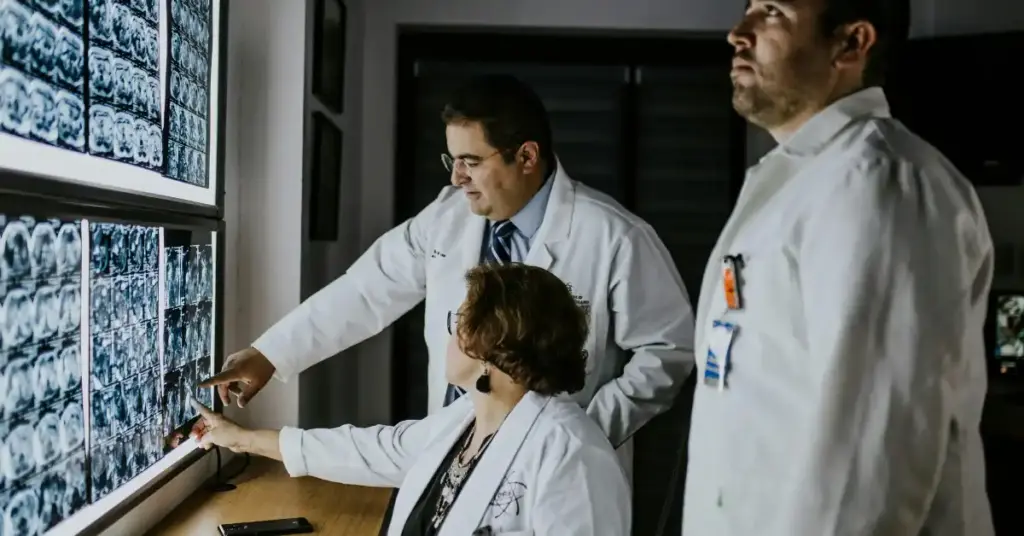
Neurologists use many tools and procedures to figure out what’s going on in your nervous system. These procedures help them “see inside” your brain, spine, and nerves to find any signs of disease or injury.

Here are some common procedures and what they’re used for:

  • EEG (Electroencephalogram): Checks brain waves to spot seizures or brain disorders.
  • EMG (Electromyography): Looks at how well your muscles and nerves are working together.
  • Nerve Conduction Studies: Assess the speed at which electrical impulses travel through your nerves.
  • MRI or CT Scans: Show pictures of your brain and spine.
  • Lumbar Puncture (Spinal Tap): Checks the fluid around your brain and spine for signs of infection or disease.

These tests are usually painless or only slightly uncomfortable, and they give the doctor important clues about what might be causing your symptoms.

Common Neurological Conditions

There are many types of neurological conditions — some are short-term, and others are long-term and need ongoing care. They can affect your movement, memory, mood, and more.

Here are some of the most common ones:

  • Stroke: Occurs when the brain's blood supply is interrupted or reduced, preventing essential oxygen and nutrients from reaching brain tissue. Can lead to problems with speaking, moving, or thinking.
  • Epilepsy: A condition where people have repeated seizures because of abnormal brain activity.
  • Parkinson’s Disease: Affects how you move, making you shake or feel stiff.
  • Alzheimer’s Disease: A progressive neurological disorder that leads to memory loss and cognitive decline over time.
  • Multiple Sclerosis (MS): An autoimmune condition in which the immune system mistakenly attacks the protective covering of nerves, disrupting communication between the brain and body.
  • Migraines: Strong headaches that can come with nausea, flashing lights, or sensitivity to sound.

Some of these conditions are serious and lifelong. Others can be treated or even go away with time and care. Getting help early makes a big difference.

Diagnostics and Tests

When you go to a neurologist, they’ll ask you about your symptoms, health history, and sometimes do a physical exam. But to really understand what’s happening, they may need to do some special tests.

Here’s how they figure things out:

  • MRI (Magnetic Resonance Imaging): Takes detailed pictures of your brain and spine.
  • CT Scan: A quick test to look for strokes or injuries.
  • EEG: Checks for abnormal brain activity, often used for epilepsy.
  • EMG and Nerve Tests: See how well your nerves and muscles work together.
  • Blood Tests: Can show infections or other body issues that affect the brain.

These tests help rule out other causes and give your doctor the right information to plan your care. You don’t need to be scared — they’re safe and can give fast results.

Treatments in Neurology

Once a neurologist knows what’s wrong, they’ll come up with a treatment plan. Not all problems need surgery. In fact, many neurological issues are treated with medication, therapy, or simple changes in daily habits.

Types of treatments include:

  • Medications: For seizures, headaches, muscle stiffness, or memory problems.
  • Physical Therapy: Helps improve movement and strength.
  • Speech or Cognitive Therapy: For problems with talking or thinking clearly.
  • Lifestyle Changes: Eating better, exercising, and better sleep can improve many neurological issues.
  • Surgery: Occasionally required in rare situations, such as for treating brain tumors or managing severe cases of epilepsy.

Neurologists frequently collaborate with other medical specialists to provide comprehensive and coordinated care for their patients. The goal is to help you feel better and stay safe, no matter what condition you have.

Conclusion

Neurology plays a crucial role in diagnosing and managing conditions affecting the brain, spinal cord, and nervous system. It helps people who have memory issues, constant headaches, seizures, strokes, and more. With the right tests and care, many of these conditions can be managed well.

If you or someone close to you is having signs like confusion, numbness, trouble speaking, or shaking — don’t wait. It could be something that needs a neurologist’s help. At Oxford Hospital, we offer expert neurological care with the latest tools and a caring team ready to support you.

Frequently Asked Questions

Neurology is a part of medicine that looks at your brain, spine, and nerves. These body parts help you think, move, talk, and feel. If something isn’t working right, you might have symptoms like numbness, memory loss, or trouble speaking. Neurology helps find out what’s wrong and gives treatments to help. Doctors who study neurology are called neurologists, and they can help with many problems that affect your nervous system.

A neurologist is a doctor who checks and treats problems with your brain, spine, and nerves. They help people with things like memory loss, seizures, and numbness. They may ask you questions, check your reflexes, or order tests like brain scans. They don’t do surgery but use medicine and therapy to treat your condition. Their job is to figure out what’s wrong and create a plan to help you feel better and improve your health.

Some of the most common neurological diseases are stroke, Alzheimer’s disease, Parkinson’s disease, epilepsy, and migraines. Stroke happens when the brain doesn’t get enough blood. Alzheimer’s affects memory. Parkinson’s makes it hard to move or stop shaking. Epilepsy causes seizures, and migraines cause painful headaches. These diseases can affect your thinking, speech, movement, and how you feel. Many of them can be managed with medicine, therapy, and help from a neurologist.

Our Specialists

Pulmonologist
Rheumatologist
Cardiologist
Anesthesiologist
Anesthesiologist
Surgical Oncologist
Consultant Medical Oncologist
Nephrologist
Paediatrician
Gynaecologist
Gynaecologist
Gynaecologist
Gynaecologist
Gynaecologist
Dermatologist
Ophthalmologist
ENT Specialist
ENT Surgeon
Vascular Surgeon
Orthopaedic Surgeon
Consultant Orthopaedic Surgeon
Orthopaedic Surgeon
General / Lap Surgeon
Plastic Surgeon
Surgical Gastroenterologist
Gastroenterologist
Gastroenterologist
Gastroenterologist
Gastroenterologist
Consultant radiologist
Consultant Pathologist
Interventional Pulmonologist
Dr. Gopinathan M
Hemato-Oncologist
Consultant Medical Oncologist
Consultant Cardiologist
Consultant Urologist
Consultant Nephrologist
Consultant Pediatrician
Dr. Indhumathi Thayar
Consultant Obstetrician & Gynecologist
Dr. Ramya Ravi
Consultant Gynecologist
Dr. R. Indhra Priyadharshini
Consultant Dermatologist
Consultant ENT Surgeon
Dr. Karthik Kalaiselvan
Consultant Vascular Surgeon
CVTS Surgeon
Dr. Prof. A. Shanmuga Sundaram
Endoscopic Spine Surgeon, Consultant Spine & Ortho Surgeon
Consultant General / Lap Surgeon
Consultant Plastic Surgeon

Health Packages

Diabetes profile, Liver function test, lipid profile & more

Book Appointment