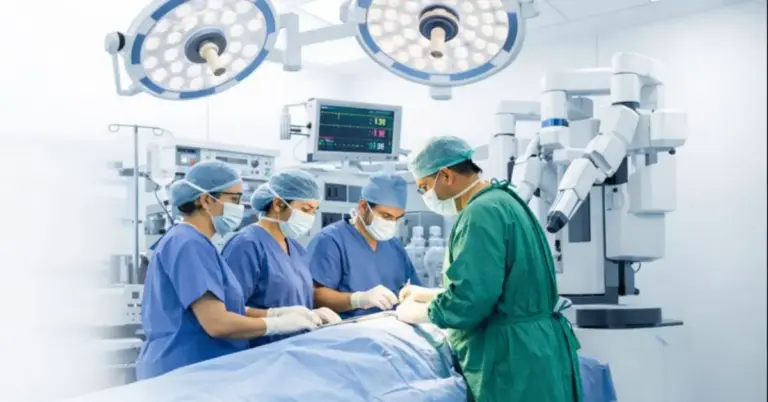
An operating theatre is the core of any surgical unit, serving as a sterile environment where life-saving and reconstructive procedures are performed. Designed to support the highest standards of patient care, it combines advanced technology with rigorous hygiene protocols to minimize risk and maximize precision. From minor outpatient surgeries to complex, multi-hour procedures, the operating theatre is where critical interventions take place under tightly controlled conditions.
With state-of-the-art equipment and a team of skilled professionals, these rooms are tailored to ensure surgical excellence. Their structure and layout are not arbitrary but thoughtfully engineered to support smooth workflow, aseptic techniques, and patient safety. The modern surgical suite is more than just a room — it's a highly responsive medical environment designed for optimal outcomes.
An operating theatre is a specialized medical space where surgical procedures are carried out under sterile conditions. It is equipped with precision instruments and advanced medical technology that support a wide variety of operations, from emergency surgeries to elective interventions. The design of the room ensures a safe, controlled environment for both patients and the surgical team.
The layout and operation of this space are essential for reducing infection risk, supporting surgeon efficiency, and ensuring positive patient outcomes. As a result, every detail—from the placement of tools to the type of flooring—plays a crucial role in maintaining safety and functionality.
Maintaining the sterility and safety of an operating theatre is essential to prevent infections and protect the well-being of both patients and medical staff. Hygiene protocols begin even before surgery starts and extend throughout the procedure and beyond. Strict standards are adhered to, ensuring that every surface, instrument, and piece of equipment meets sanitation guidelines.
Failure to maintain strict hygiene in this space could compromise a patient's recovery and lead to complications. That’s why operation theatres are subject to frequent audits and quality checks. By creating a controlled and aseptic environment, these measures ensure safe surgical interventions every time.
Operating theatres are not a single space but a complex suite of interconnected zones, each serving a specific function to support surgical procedures. These zones help segregate clean and contaminated areas, streamlining the flow of both people and equipment.
Each of these spaces contributes to the seamless operation of the surgical suite. Thoughtful design and zoning not only improve efficiency but also enhance safety protocols by limiting contamination and ensuring that sterile conditions are maintained throughout the surgical process.
Operating theatres are defined by certain core characteristics that distinguish them from other medical areas. These include physical, technical, and functional attributes tailored to optimize surgical performance and patient safety.
All these characteristics come together to form a space that supports sterile, high-precision work. Whether it’s a complex cardiovascular procedure or a minimally invasive surgery, the operating theatre's environment plays a pivotal role in ensuring success.
The operating theatre functions under strict protocols designed to preserve sterility and ensure surgical efficacy. These rules are not just traditions—they are non-negotiable standards enforced to maintain order, hygiene, and discipline during operations.
Following these fundamental rules guarantees not only the safety of the patient but also the integrity of the procedure itself. A disciplined approach within the theatre ensures that no variable, however small, is left to chance.
Operation theatres represent the pinnacle of medical engineering and discipline, where technology, human skill, and rigorous protocols come together to save lives. These carefully controlled environments are not only vital for performing surgeries but also for ensuring the best possible outcomes with minimal complications. Their functionality depends on flawless execution—from maintaining hygiene standards to ensuring proper workflow and discipline.
As surgical techniques continue to evolve, operating theatres too must adapt, incorporating new advancements in equipment and safety. For patients, this translates to faster recovery times, fewer risks, and more successful interventions. At Oxford Hospitals, our operation theatres are designed and maintained to exceed global standards, combining innovative systems with compassionate surgical care. Every element, from air filtration to surface materials, is selected to uphold our commitment to patient safety and excellence in surgical outcomes.