
Gallbladder stones, commonly known as gallstones, are hardened deposits that form inside the gallbladder, a small organ located under the liver. The gallbladder stores bile, a digestive fluid that helps break down fats. When bile contains too much cholesterol, bilirubin, or other imbalance-forming substances, solid particles begin to develop and gradually turn into stones. These stones may remain silent for a long time or cause sudden severe symptoms depending on their size and location.
How Gallstones form in the Gallbladder
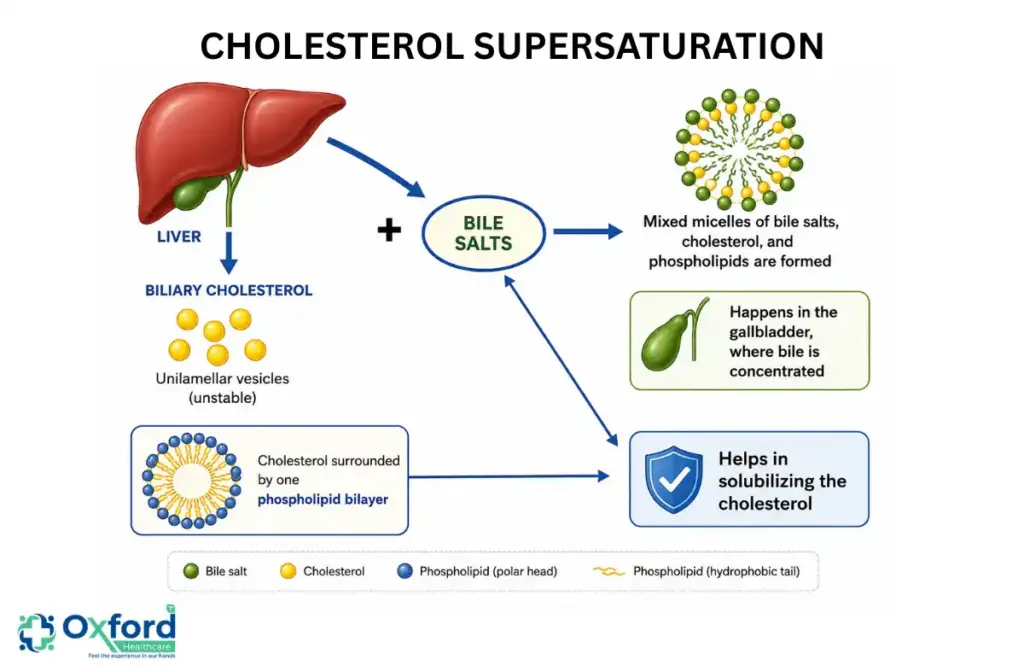
Gallstones form when there is an imbalance in the chemical composition of bile. Normally, bile contains a mix of cholesterol, bile salts, and bilirubin. When cholesterol levels become too high or bile does not empty properly, crystals begin to form. Over time, these crystals combine and grow into solid stones. This process is usually slow and can go unnoticed for years until symptoms appear.
Types of Gallbladder Stones (Cholesterol vs Pigment Stones)
There are two main types of gallstones. Cholesterol stones are the most common type and are formed mainly due to excess cholesterol in the bile. They are usually yellow-green in color and are more common in developed countries. Pigment stones, on the other hand, are darker in color and form due to excess bilirubin in the body. These are often associated with liver diseases, infections, or blood disorders.
Why Gallstones Develop in the Body
Gallstones develop due to multiple risk factors that disrupt the normal functioning of the gallbladder. Poor dietary habits, high-fat food intake, obesity, hormonal changes, and rapid weight loss can all contribute to stone formation. In many cases, the gallbladder fails to empty properly, which leads to bile concentration and eventual stone formation. These underlying reasons are also closely linked to what can causes gallstones in most patients.
What are the Symptoms of Gallbladder Stones?
The what are the symptoms of gallbladder stones question becomes important because many people do not realize they have gallstones until symptoms become severe. Symptoms vary from mild digestive discomfort to intense abdominal pain depending on whether the stones are blocking bile flow.Sudden pain in the upper right abdomen
One of the most common symptoms of gallstones is sudden and intense pain in the upper right side of the abdomen. This pain often appears after eating fatty or heavy meals and can last anywhere from a few minutes to several hours.
- Pain in the upper middle abdomen (epigastric pain): Some patients experience pain in the upper central region of the abdomen, which is often mistaken for acidity or gastritis. This type of pain can feel like burning or tightness and may worsen after meals. Because of this confusion, many people delay diagnosis, increasing the risk of complications.
- Pain radiating to shoulder or back: Gallbladder pain does not always remain localized. It can spread to the right shoulder or between the shoulder blades. This referred pain occurs because of shared nerve pathways and is a classic indicator of gallbladder-related issues.
- Nausea and vomiting after meals: Many individuals with gallstones experience nausea and vomiting, especially after consuming fatty or oily foods. This happens because the gallbladder struggles to release bile effectively, leading to poor digestion and stomach discomfort.
- Bloating and indigestion: Digestive problems such as bloating, gas formation, and a feeling of heaviness after eating are common in gallstone patients. Even small meals may cause discomfort because bile flow is disrupted, slowing down digestion.
- Jaundice (yellowing of skin and eyes): Jaundice is a serious symptom that occurs when gallstones block the bile ducts. This blockage leads to a buildup of bilirubin in the body, causing yellow discoloration of the skin and eyes. It is a warning sign that requires immediate medical attention.
- Fever and chills indicating infection: Fever accompanied by abdominal pain may indicate infection in the gallbladder, also known as cholecystitis. This condition can become serious if not treated promptly, as infection may spread and lead to complications.
Gallbladder Attack vs Normal Stomach Pain
Gallbladder attacks are often confused with common stomach issues like acidity or gas. However, gallbladder pain is usually more severe, localized in the upper right abdomen, and lasts longer. It is often triggered by fatty meals and does not improve easily with antacids or home remedies.
- Key differences in pain location and intensity: Gallbladder pain is typically sharp and focused in the upper right abdomen, while stomach pain from acidity is usually burning and centered in the middle abdomen. The intensity of gallbladder pain is generally higher and more persistent compared to regular digestive discomfort.
- How long gallbladder pain lasts: Gallbladder pain tends to last longer than normal stomach discomfort, often ranging from 30 minutes to several hours. It may come in episodes and gradually worsen if the underlying issue is not treated.
- Common triggers like fatty foods: Fatty and fried foods are common triggers for gallbladder pain. These foods require more bile for digestion, which can worsen symptoms when gallstones are present and block proper bile flow.
Causes of Gallbladder Stone Symptoms
The symptoms associated with gallstones usually arise when stones interfere with normal bile flow or irritate the gallbladder lining. These issues are directly related to what can cause gallstones in the body.
- Blockage in bile ducts: When gallstones block the bile ducts, bile cannot flow properly from the gallbladder to the intestine. This blockage leads to sudden pain, digestive issues, and sometimes infection if left untreated.
- Gallbladder inflammation: Inflammation occurs when gallstones irritate the gallbladder lining. This leads to swelling, pain, and sometimes fever. In severe cases, inflammation may require medical or surgical treatment.
- Stone movement causing pain: Pain often occurs when gallstones move within the gallbladder or attempt to pass through bile ducts. This movement irritates surrounding tissues and causes sudden, sharp pain episodes.
Risk Factors of Gallbladder Stones
Several factors increase the risk of developing gallstones, including poor diet, obesity, genetics, and metabolic conditions. These risk factors also contribute to symptoms of gallbladder stone problem becoming more severe over time.
- Obesity and unhealthy diet: A diet high in fat and cholesterol increases bile imbalance and promotes stone formation. Obesity further increases the risk due to metabolic changes in the body.
- Age and gender-related risk: Gallstones are more common in women, especially above the age of 40. Hormonal changes and pregnancy can also increase risk.
- Rapid weight loss and fasting: Sudden weight loss or long fasting periods can disrupt bile composition and increase the chances of gallstone formation.
- Family history and genetics: Genetics play a significant role in gallstone formation. People with a family history of gallstones are at higher risk.
- Diabetes and metabolic conditions: Conditions like diabetes can affect fat metabolism and increase the likelihood of gallstones.
When to See a Doctor
Medical attention is necessary when symptoms become severe or persistent. Delaying treatment can lead to complications.
- Severe abdominal pain lasting more than a few hours: Persistent pain may indicate gallbladder blockage or inflammation that requires immediate treatment.
- Fever with abdominal pain: Fever along with pain may indicate infection and should not be ignored.
- Yellowing of skin or eyes: This is a serious sign of bile duct blockage and requires urgent medical evaluation.
- Persistent nausea and vomiting: Continuous vomiting and inability to eat may indicate worsening gallbladder disease.
Diagnosis of Gallbladder Stones
Accurate gallstone diagnosis and treatment is essential for effective management.
Ultrasound scan as primary test
Ultrasound is the most commonly used diagnostic tool as it clearly shows the presence of gallstones.
- Blood tests for infection and liver function: Blood tests help detect infection and assess liver health, which may be affected by gallstones.
- CT scan or MRI if needed: Advanced imaging is used when ultrasound results are unclear or complications are suspected.
- Advanced bile duct imaging tests: These tests help identify blockages in bile ducts and assess severity.
Treatment Options for Gallbladder Stones
Treatment depends on severity and symptoms. Some cases require lifestyle changes, while others may need surgery.
- Lifestyle and dietary changes: Healthy eating habits and avoiding fatty foods can help manage mild symptoms.
- Pain management medications: Medications may be prescribed to relieve pain during gallbladder attacks.
- Gallbladder removal surgery (cholecystectomy): This is the most effective long-term treatment for recurring gallstones.
- ERCP procedure for bile duct stones: ERCP is used to remove stones blocking bile ducts and restore normal flow.
Prevention of Gallbladder Stones
Preventing gallstones involves maintaining a healthy lifestyle and diet.
- Healthy low fat diet: A balanced diet reduces cholesterol buildup in bile.
- Maintaining healthy body weight: Maintaining ideal weight helps regulate bile composition.
- Regular meal habits: Eating regularly prevents bile concentration and stone formation.
- High-fiber food intake: Fiber improves digestion and supports healthy bile flow.
Conclusion
Gallbladder stones are a common digestive condition that can range from silent to severe. Understanding early warning signs such as abdominal pain, nausea, and bloating is essential for timely diagnosis. Recognizing what are the symptoms of gallbladder stones, understanding What can Causes Gallstones, and seeking proper Gallstone Diagnosis and Treatment can significantly reduce complications and improve recovery outcomes.