
Many people do not think much about their kidneys until a health problem appears. However, these small bean-shaped organs perform several vital tasks every day to keep the body healthy and balanced.Understanding the functions of the kidney can help people recognize early warning signs and make healthier lifestyle choices. This guide explains the functions of the kidney, how the filtration process works, common kidney problems, and simple ways to support long-term kidney health.
7 Functions of the Kidney
The kidneys perform many important tasks that help the body function properly. Understanding the 7 functions of the kidney makes it easier to appreciate how much these organs do every day.
1. Filtering Waste Products From the Blood
One of the most important functions of the kidney is filtering waste materials from the bloodstream. As the body uses food for energy and repairs tissues, waste products naturally build up in the blood.
The kidneys remove substances such as:
- Urea
- Creatinine
- Excess salts
- Toxins
These waste products leave the body through urine. Without proper filtration, harmful substances can build up and affect overall health.
2. Removing Excess Fluid
The kidneys help maintain the right balance of fluids in the body. Drinking too much or too little water affects fluid levels, and the kidneys constantly adjust urine production to maintain balance. When fluid balance becomes unhealthy, swelling, dehydration, or blood pressure problems may occur.
3. Balancing Electrolytes and Minerals
Electrolytes such as sodium, potassium, calcium, and phosphorus are essential for nerve signals, muscle function, and heart health. Another key part of the functions of the kidney is carefully balancing these minerals to keep the body functioning normally.
4. Controlling Blood Pressure
The kidneys help regulate blood pressure by controlling fluid levels and producing hormones involved in blood vessel function. When kidney function becomes impaired, blood pressure may rise, increasing strain on the heart and blood vessels.
5. Supporting Red Blood Cell Production
Healthy kidneys produce a hormone called erythropoietin, which signals the bone marrow to make red blood cells. Red blood cells carry oxygen throughout the body. Poor kidney function may reduce this hormone, leading to anemia and fatigue.
6. Maintaining Acid and pH Balance
The body needs a stable acid-base balance to function properly. The kidneys remove excess acids and help maintain a healthy pH level in the blood. This important role supports muscle activity, organ function, and metabolism.
7. Activating Vitamin D for Bone Health
The kidneys help activate vitamin D, which supports calcium absorption and strong bones. Without proper kidney function, bone health may gradually weaken over time.
What is the Main Function of the Kidney?
The primary role of the kidneys is to filter waste products and excess fluids from the blood. Every day, blood passes through the kidneys multiple times. Tiny filtering units remove toxins, extra water, and waste materials while keeping important nutrients and minerals in balance. The filtered waste then leaves the body through urine.
This filtration process is essential because waste buildup can become dangerous if not removed properly. Healthy kidneys help maintain clean blood, balanced fluids, and stable internal conditions that support survival. Although filtration is the main task, the kidneys also help regulate blood pressure, support bone health, and manage important hormones.
What Do Kidneys Do?
Many people wonder, What do kidneys do besides producing urine. In reality, the kidneys perform several jobs that support the body’s overall stability and health.
The kidneys:
- Filter blood continuously
- Remove waste and toxins
- Balance fluid levels
- Maintain mineral balance
- Support healthy blood pressure
- Help produce red blood cells
- Activate vitamin D
- Maintain acid balance
The kidneys work closely with the heart, blood vessels, bones, and endocrine system. When kidney function becomes impaired, many other parts of the body can also be affected.
How the Filtration Process Works
The kidneys act like the body’s natural filtration system. Their filtration process is highly efficient and works continuously throughout the day.
Blood Enters the Kidneys
Blood flows into the kidneys through the renal arteries. Each kidney receives a large amount of blood every minute.
Nephrons Begin Filtering
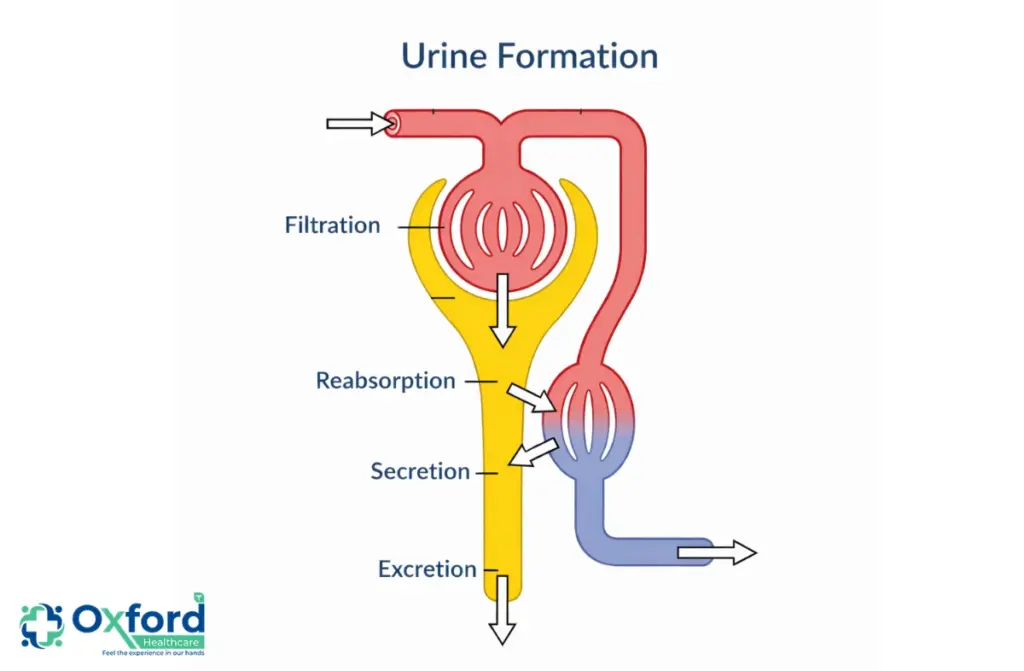
Inside the kidneys are millions of tiny filtering units called nephrons that play a major role in cleaning the blood and maintaining overall body balance. These nephrons work continuously to remove waste products, filter excess water, and separate useful nutrients from harmful substances. After filtering, important minerals and nutrients are returned to the bloodstream, while waste and extra fluid are converted into urine and removed from the body.
Important Nutrients are Reabsorbed
After filtration, the kidneys return important nutrients, minerals, and water back into the bloodstream. This helps the body maintain balance while preventing unnecessary nutrient loss.
Waste Becomes Urine
The remaining waste products and excess fluid become urine, which travels to the bladder before leaving the body.
This process may sound simple, but it is one of the most important functions of the kidney because it keeps the internal environment stable and healthy.
What are the Conditions and Disorders that Affect Your Kidneys?
Several health conditions can affect kidney function. Some develop gradually over time, while others may appear suddenly.
Chronic Kidney Disease (CKD)
Chronic kidney disease occurs when the kidneys slowly lose function over time.
Common causes include:
- Diabetes
- High blood pressure
- Long-term kidney damage
Early stages may not cause symptoms, making regular checkups important.
Kidney Stones
Kidney stones are hard mineral deposits that form inside the kidneys.
They may cause:
- Severe pain
- Difficulty urinating
- Blood in urine
Dehydration and certain dietary habits can increase risk.
Kidney Infections
Bacterial infections can affect the kidneys and may cause:
- Fever
- Back pain
- Burning urination
- Fatigue
Prompt treatment helps prevent complications.
Diabetic Kidney Disease
Diabetic kidney disease develops when high blood sugar levels gradually damage the kidneys over time.
It may cause:
- Swelling in the feet and ankles
- Fatigue and weakness
- Changes in urination
- High blood pressure
Poor diabetes control and long-term high blood sugar can increase the risk of kidney damage.
High Blood Pressure-Related Kidney Damage
High blood pressure-related kidney damage occurs when uncontrolled blood pressure strains the blood vessels inside the kidneys.
It may cause:
- Reduced kidney function
- Swelling in the body
- Frequent urination
- Fatigue
Long-term uncontrolled blood pressure can weaken the kidneys and affect their ability to filter waste properly.
Acute Kidney Injury
This condition involves sudden kidney function loss caused by:
- Severe dehydration
- Infection
- Certain medications
- Injury
Early medical care is essential for recovery.
Understanding these disorders helps people recognize the importance of protecting kidney health early.
Signs and Symptoms of a Kidney Problem
Kidney problems may develop slowly and silently. However, certain warning signs should never be ignored.
- Swelling: Fluid buildup from kidney problems can cause swelling in the feet, ankles, hands, and face due to the kidneys’ reduced ability to remove excess fluid.
- Fatigue: Poor kidney function can affect oxygen delivery and toxin removal, leading to tiredness and weakness.
- Changes in Urination: Kidney problems may cause changes in urination, including frequent urination, reduced urine output, foamy urine, dark-colored urine, or blood in the urine.
- Back Pain: Pain near the lower back or sides may indicate kidney infection or stones.
- High Blood Pressure: Kidney problems and high blood pressure are closely connected.
- Nausea or Loss of Appetite: Waste buildup in the blood can affect digestion and appetite.
Some kidney conditions cause very mild symptoms in the beginning. This is why regular health screenings are important, especially for people with diabetes or hypertension.
What are Common Tests to Check the Health of My Kidneys?
Doctors use several tests to evaluate kidney health and detect problems early.
Blood Tests
Blood tests measure substances such as:
- Creatinine
- Blood urea nitrogen (BUN)
- Estimated glomerular filtration rate (eGFR)
These results help doctors understand how well the kidneys are filtering blood.
Urine Tests
Urine testing helps detect:
- Protein leakage
- Blood
- Infection
- Kidney damage
Blood Pressure Monitoring
Blood pressure monitoring helps doctors identify kidney-related health problems.
It helps detect:
- High blood pressure
- Kidney stress
- Poor circulation
- Risk of kidney damage
Ultrasound Scans
Ultrasound scans help doctors examine the kidneys and detect abnormalities.
They help identify:
- Kidney size changes
- Blockages
- Swelling
- Structural problems
Additional Imaging Tests
Additional imaging tests such as CT scans or MRI scans provide detailed kidney evaluation.
They help detect:
- Severe blockages
- Kidney stones
- Tumors or cysts
- Internal damage
Routine testing plays a major role in early diagnosis and long-term kidney protection.
Simple Tips to Keep Your Kidneys Healthy
Protecting kidney health often starts with small daily habits.
- Drink Enough Water: Proper hydration helps the kidneys remove waste efficiently.
- Control Blood Sugar: Diabetes is a major cause of kidney disease. Stable blood sugar supports healthy kidney function.
- Manage Blood Pressure: Keeping blood pressure within a healthy range reduces stress on the kidneys.
- Eat a Balanced Diet: Nutritious foods support the overall functions of the kidney and reduce strain on the body. Healthy choices include: Fruits, Vegetables, Whole grains, Lean proteins.
- Reduce Excess Salt: Too much salt may increase blood pressure and fluid retention.
- Exercise Regularly: Physical activity improves circulation and supports overall health.
- Avoid Smoking: Smoking damages blood vessels and reduces blood flow to the kidneys.
- Limit Unnecessary Painkiller Use: Overusing certain pain medications may harm kidney function over time.
- Attend Regular Health Checkups: Routine monitoring helps detect kidney problems before they become severe.
Preventive care is one of the most effective ways to protect long-term kidney health.
Why Kidney Health Matters for Overall Wellness
The kidneys do much more than produce urine. Healthy kidneys help support heart function, bone strength, energy levels, blood pressure balance, fluid regulation, and overall blood quality. When kidney function declines, many parts of the body can be affected, which is why maintaining good kidney health is important for overall well-being.
Conclusion
The kidneys may be small organs, but their role in maintaining health is incredibly important. From filtering waste and balancing fluids to supporting blood pressure and bone health, the functions of the kidney affect nearly every part of the body. Kidney problems often develop gradually, but many risks can be reduced through proper hydration, balanced nutrition, blood sugar control, exercise, and regular medical checkups.
Most importantly, taking care of kidney health does not always require major changes. Small, consistent habits can make a meaningful difference over time. Taking care of your kidneys today can help protect your overall health, energy, and well-being for years to come.