Fatty liver disease is now one of the fastest-growing lifestyle disorders affecting adults worldwide. Many individuals develop excess fat accumulation in the liver because of unhealthy eating habits, obesity, diabetes, lack of exercise, and metabolic problems. In the early stages, the condition often causes very few symptoms, which is why many people discover it only during routine blood tests or ultrasound scans.
The good news is that fatty liver disease can often be reversed when diagnosed early. The liver has a strong ability to repair itself, and healthy lifestyle changes can significantly reduce liver fat, inflammation, and future complications. Proper medical guidance, balanced nutrition, physical activity, and long-term weight management play a major role in improving liver health naturally.
What is Fatty Liver Disease?
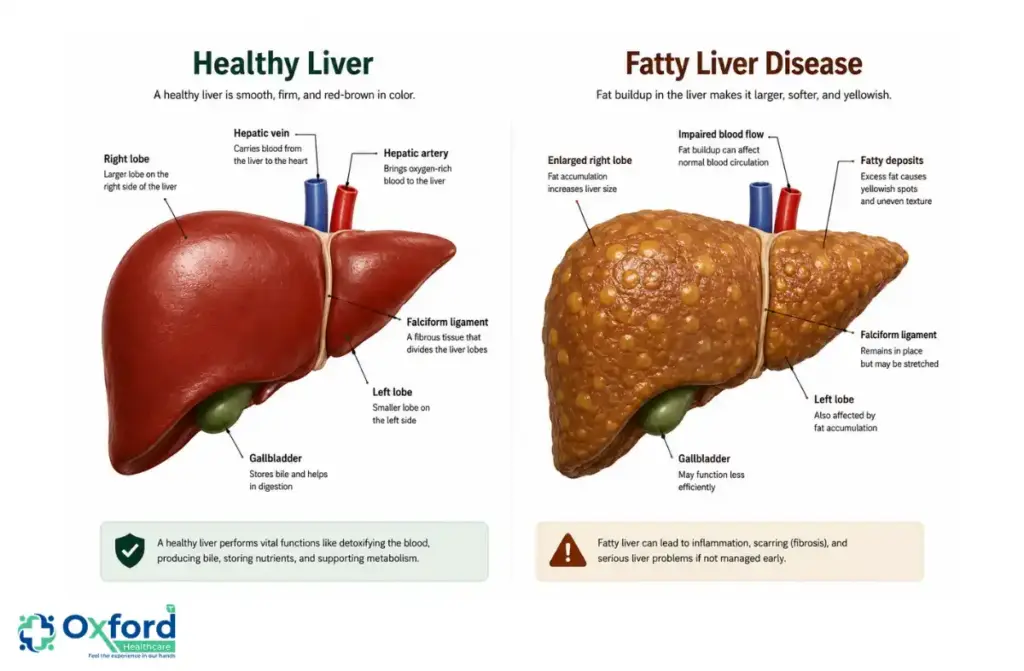
Fatty liver disease occurs when too much fat builds up inside liver cells. While a small amount of fat in the liver is considered normal, excessive fat accumulation can affect liver function and increase the risk of inflammation and liver damage.
The liver is responsible for several important body functions, including:
- Digesting nutrients
- Removing toxins
- Regulating metabolism
- Storing vitamins and minerals
- Supporting hormone balance
When fat continues to accumulate, the liver becomes stressed and may gradually develop inflammation or scarring if not treated properly.
Types of Fatty Liver Disease
Nonalcoholic Fatty Liver Disease (NAFLD)
Nonalcoholic fatty liver disease develops in people who consume little or no alcohol. It is commonly associated with obesity, insulin resistance, diabetes, high cholesterol, and metabolic syndrome. NAFLD has become increasingly common because of sedentary lifestyles and poor dietary habits.
Alcoholic Fatty Liver Disease
Alcohol-related fatty liver disease occurs because of excessive alcohol consumption. Alcohol damages liver cells and promotes inflammation. Continued alcohol intake may eventually lead to fibrosis, cirrhosis, or liver failure if not managed early.
What Causes Fat Accumulation in the Liver?
Several lifestyle and metabolic factors contribute to fatty liver disease. The condition usually develops when the body stores more fat than the liver can process effectively.
Common contributing factors include:
- Obesity
- Excess sugar intake
- Processed foods
- Physical inactivity
- Diabetes
- Insulin resistance
- High cholesterol
- Excess alcohol intake
Over time, excess liver fat can trigger inflammation and reduce normal liver function.
Early Signs and Symptoms of Fatty Liver
Fatty liver disease is often called a silent condition because many patients do not notice symptoms initially. However, some individuals may experience mild symptoms during the early stages.
Common symptoms may include:
- Fatigue
- Weakness
- Bloating
- Mild abdominal discomfort
- Feeling heavy after meals
- Difficulty losing weight
- Elevated liver enzymes
Recognizing these symptoms early can help prevent long-term liver complications.
Can Fatty Liver be Reversed?
In many early-stage cases, fatty liver disease can be reversed successfully. The liver has a natural regenerative ability, and reducing harmful triggers allows liver cells to recover gradually.
Lifestyle modification remains the most effective approach for reversing fatty liver disease naturally. Patients who improve their diet, exercise regularly, reduce body weight, and manage diabetes often experience major improvements in liver health.
Is Grade 1 Fatty Liver Reversible?
Grade 1 fatty liver disease is considered the earliest stage and is highly manageable. Most patients with mild fatty liver can improve liver function significantly through healthy lifestyle changes.
Studies show that losing approximately 7% to 10% of body weight can help reduce liver fat and inflammation. Early medical intervention greatly improves recovery outcomes.
Risks of Untreated Fatty Liver Disease
Without proper management, fatty liver disease may progress into more serious liver conditions.
Possible complications include:
- Liver inflammation
- Fibrosis
- Cirrhosis
- Liver failure
- Increased liver cancer risk
Advanced liver damage may not always be completely reversible, which is why early diagnosis is extremely important.
Can the Liver Repair Itself?
The liver is one of the few organs capable of natural regeneration. When patients adopt healthier habits, liver inflammation and fat accumulation may reduce significantly within a few months.
Healthy lifestyle practices that support liver recovery include:
- Balanced nutrition
- Regular exercise
- Weight management
- Alcohol avoidance
- Better sleep quality
- Blood sugar control
However, severe scarring and cirrhosis may require long-term medical management.
Common Causes of Fatty Liver Disease
- Obesity and Excess Weight: Obesity is one of the leading causes of fatty liver disease worldwide. Excess body fat increases fat storage around the liver and worsens metabolic function.
- Diabetes and Insulin Resistance: Patients with insulin resistance or type 2 diabetes have a higher risk of developing fatty liver because the body stores excess fat more easily.
- Poor Diet and Processed Foods: Diets rich in sugar, fried foods, processed snacks, and refined carbohydrates increase liver fat accumulation and inflammation.
- Alcohol Consumption: Excess alcohol damages liver cells and increases oxidative stress, making liver recovery more difficult.
Best Natural Treatments for Fatty Liver
Healthy Weight Loss: Gradual weight reduction is one of the most effective ways to improve fatty liver disease. Rapid weight loss should be avoided because it may worsen liver inflammation.
Regular Exercise: Physical activity helps burn excess fat and improve insulin sensitivity. Effective exercises include:
- Walking
- Cycling
- Swimming
- Strength training
- Yoga
Most experts recommend at least 150 minutes of moderate exercise weekly.
Blood Sugar and Cholesterol Management: Controlling diabetes, triglycerides, and cholesterol levels can significantly reduce liver fat accumulation.
Avoiding Alcohol and Smoking: Alcohol and smoking may worsen liver inflammation and metabolic dysfunction. Avoiding both supports long-term liver healing.
Best Diet for Fatty Liver Disease
Diet plays a major role in improving liver health naturally. A balanced diet rich in nutrients helps reduce inflammation and supports metabolism.
Foods that Help Reduce Liver Fat
Beneficial foods include:
- Leafy green vegetables
- Whole grains
- Oats
- Olive oil
- Nuts and seeds
- Garlic
- Legumes
- Fatty fish rich in omega-3
These foods support healthy liver function and improve metabolism.
Importance of Fiber for Liver Health
Fiber helps regulate blood sugar levels and supports digestion. High-fiber diets are beneficial for preventing and reversing fatty liver disease.
Healthy high fiber foods include:
- Brown rice
- Lentils
- Beans
- Fruits
- Vegetables
- Whole wheat foods
Maintaining good hydration and balanced nutrition also supports liver recovery.
Foods to Avoid With Fatty Liver
Certain foods may worsen inflammation and increase fat accumulation inside the liver.
- Sugary Foods and Drinks: Soft drinks, desserts, and sugary beverages increase liver fat storage.
- Fried and Processed Foods: Fast foods and processed snacks contain unhealthy fats that negatively affect liver health.
- Excess Saturated Fat: High-fat processed meat and fried foods may worsen metabolic dysfunction and inflammation.
Can Exercise Improve Fatty Liver?
Exercise is one of the most effective natural methods for reducing liver fat. Daily physical activity improves metabolism and supports long-term weight control.
Benefits of Regular Exercise
Exercise can help:
- Reduce liver fat
- Improve insulin sensitivity
- Increase energy levels
- Support healthy metabolism
- Reduce inflammation
- Promote sustainable weight loss
Consistency is more important than workout intensity.
How Long does it Take to Reverse Fatty Liver?
The recovery timeline varies depending on the severity of liver fat accumulation and lifestyle changes. Patients with mild fatty liver disease may notice improvement within 3 to 6 months after adopting healthier habits. Long-term consistency is essential for maintaining liver health and preventing recurrence.
Medical Evaluation for Fatty Liver Disease
Doctors may recommend several tests to evaluate liver health and identify complications.
Common diagnostic tests include:
- Liver function tests
- Ultrasound scan
- FibroScan
- MRI
- Blood tests
- Liver biopsy in advanced cases
These tests help assess liver fat, inflammation, and fibrosis severity.
Are Medications Available for Fatty Liver?
There is currently no single medication specifically approved to cure fatty liver disease completely. Most treatments focus on controlling underlying metabolic conditions such as diabetes, obesity, and high cholesterol. Lifestyle modification remains the primary treatment strategy for long-term liver recovery.
Tips to Prevent Fatty Liver Disease
Preventing fatty liver disease requires long-term healthy lifestyle habits.
- Maintain Healthy Body Weight: Healthy weight management helps reduce liver fat accumulation.
- Eat a Balanced Diet: Focus on fresh vegetables, fruits, lean proteins, whole grains, and healthy fats.
- Stay Physically Active: Regular movement supports metabolism and improves insulin sensitivity.
- Schedule Routine Health Checkups: People with obesity, diabetes, or high cholesterol should monitor liver health regularly.
Conclusion
Fatty liver disease is increasingly common, but early diagnosis and consistent lifestyle changes can greatly improve liver health. Many patients can successfully reduce liver fat and improve liver function through healthy eating, regular exercise, weight management, and proper medical care. If you have symptoms of fatty liver disease or risk factors such as obesity or diabetes, consult a qualified gastroenterologist for accurate diagnosis and personalized treatment guidance.