

Seeing blood in your urine can be alarming. For many people, it is a symptom that immediately causes anxiety and raises questions about what might be happening inside the body. While the sight of red, pink, or brown-colored urine can be frightening, it is important to remember that blood in urine does not always indicate a serious medical condition. In some cases, it may be linked to a temporary infection or minor irritation. In others, it may be a sign that the body needs medical attention.
The medical term for blood in urine is hematuria. It can affect people of all ages, but it is particularly important for women and middle-aged to older men to understand the potential causes and seek appropriate care when needed. Early diagnosis often helps identify the underlying problem and allows treatment to begin before complications develop.
This guide explains hematuria in simple and reassuring language. You’ll learn what it is, the different types, common symptoms, possible causes, how doctors diagnose it, treatment options, and practical steps to help protect your urinary health.
What is Blood in Urine (Hematuria)?
Hematuria is the presence of blood cells in the urine. Sometimes the blood is visible to the naked eye, causing the urine to appear pink, red, or cola-colored. In other situations, the blood can only be detected through laboratory testing.
Urine is normally pale yellow and should not contain visible blood. When blood enters the urinary tract, it may come from the kidneys, ureters, bladder, prostate, or urethra. Because the urinary system is responsible for filtering waste and producing urine, any irritation, infection, injury, or disease affecting these structures can potentially lead to hematuria.
Many people wonder why blood comes in urine, especially when there is no pain or other obvious symptom. The answer varies depending on the underlying condition. Some causes are mild and temporary, while others require prompt medical evaluation.
The most important thing to remember is that blood in urine should never be ignored, even if it happens only once.
What are the Types of Hematuria?
Doctors generally classify hematuria into two main categories.
Gross Hematuria
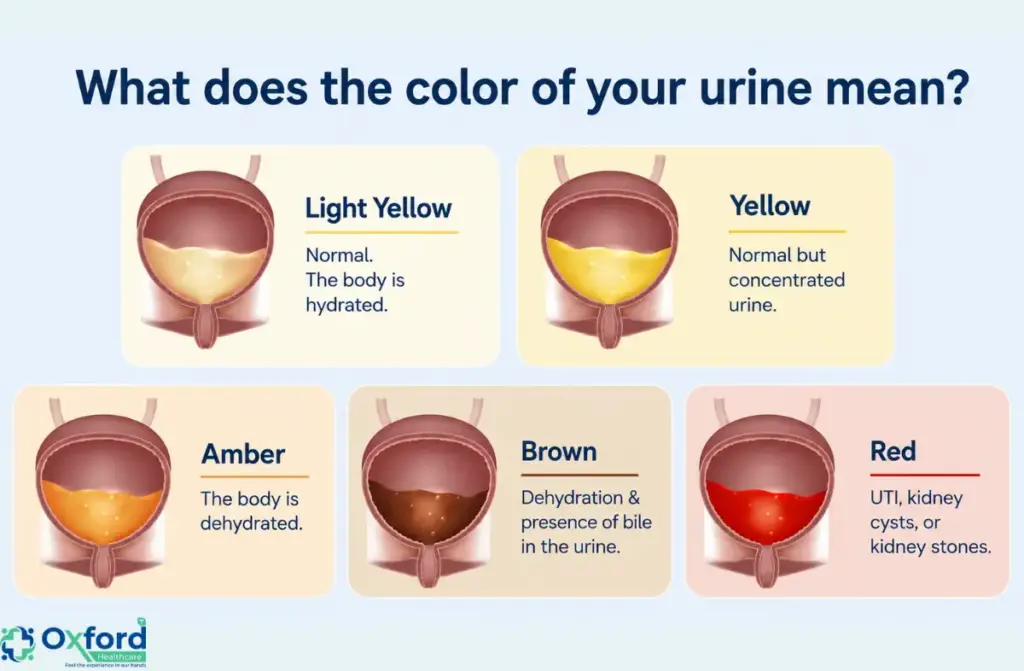
Gross hematuria occurs when blood is visible in the urine. The urine may appear:
- Pink
- Red
- Dark red
- Brownish or tea-colored
Even a small amount of blood can significantly change the color of urine.
People often notice this type immediately because of the visible color change. Gross hematuria can occur with or without pain.
Microscopic Hematuria
Microscopic hematuria cannot be seen without a microscope or laboratory test. The urine may appear completely normal, but testing reveals red blood cells.
This type is often discovered during:
- Routine health checkups
- Urine analysis
- Pre-employment medical examinations
- Annual physical exams
Although microscopic hematuria may not cause symptoms, it still deserves proper evaluation to identify the underlying cause.
Signs and Symptoms of Hematuria
The symptoms associated with hematuria depend largely on the condition causing it.
In some cases, blood in urine may be the only noticeable symptom. In others, additional signs may indicate infection, inflammation, stones, or other urinary tract conditions.
Common symptoms include:
- Visible Blood in Urine: The most obvious sign is urine that appears pink, red, or brown.
- Pain During Urination: Some individuals experience burning or discomfort while passing urine.
- Frequent Urination: Needing to urinate more often than usual may indicate irritation or infection within the urinary tract.
- Urgent Need to Urinate: A sudden and strong urge to urinate can occur with bladder infections and other urinary conditions.
- Lower Abdominal Pain: Pain or pressure in the lower abdomen may accompany urinary tract disorders.
- Back or Side Pain: Pain near the kidneys, especially in the back or sides, can suggest kidney stones or kidney-related conditions.
- Fever and Chills: If an infection is present, fever and chills may occur alongside urinary symptoms.
- Difficulty Urinating: Some men experience a weak urine stream, interrupted flow, or difficulty starting urination, often related to prostate conditions.
Any persistent urinary symptom should be discussed with a healthcare professional for proper evaluation.
Main Causes of Hematuria
There are many possible blood in urine causes, ranging from minor infections to more significant medical conditions.
Urinary Tract Infections (UTIs)
Urinary tract infections are among the most common causes of hematuria, especially in women.
When bacteria enter the urinary system, they can irritate the bladder and urethra, causing:
- Burning during urination
- Frequent urination
- Pelvic discomfort
- Blood in urine
This is one of the most common reasons for blood in urine in younger and middle-aged women.
Kidney Stones
Kidney stones are hard mineral deposits that form inside the kidneys.
As stones move through the urinary tract, they may scratch or irritate tissues, leading to:
- Severe pain
- Blood in urine
- Nausea
- Difficulty urinating
Even small stones can cause bleeding.
Bladder Infections
Infections affecting the bladder can inflame the bladder lining and result in visible or microscopic blood in urine.
Symptoms often include:
- Frequent urination
- Urgency
- Lower abdominal discomfort
Enlarged Prostate
An enlarged prostate is common in middle-aged and older men. As the prostate grows, it can place pressure on the urethra and interfere with normal urine flow.
This is one important cause of blood in urine male patients may experience, particularly after the age of 50.
Kidney Disease
Various kidney disorders can damage the filtering units of the kidneys, allowing blood cells to leak into urine.
Examples include:
- Glomerulonephritis
- Chronic kidney disease
- Inflammatory kidney disorders
Urinary Tract Injury
Accidents, sports injuries, or trauma to the kidneys and bladder may cause bleeding within the urinary tract.
Certain Medications
Some medications can increase the risk of bleeding.
Examples include:
- Blood thinners
- Certain anti-inflammatory medications
- Some cancer treatments
Always discuss medication side effects with your doctor.
Bladder or Kidney Tumors
Although less common, tumors affecting the urinary system can cause hematuria.
This possibility becomes more important in:
- Adults over 50
- Smokers
- Individuals with persistent or unexplained hematuria
Early evaluation is essential for timely diagnosis.
Who Does Hematuria Affect?
Hematuria can affect anyone, but certain groups may have a higher risk.
Women
Women are more likely to develop urinary tract infections because of anatomical differences in the urinary system.
As a result, blood in urine female patients experience is often linked to:
- UTIs
- Bladder infections
- Kidney infections
- Certain gynecological conditions
Pregnancy can also contribute to urinary symptoms that require medical evaluation.
Middle-Aged and Older Men
Men over 50 face a higher likelihood of prostate-related conditions.
Common factors include:
- Enlarged prostate
- Prostate inflammation
- Urinary obstruction
- Kidney stones
Because urinary cancers become more common with age, persistent hematuria should always be investigated.
People with Kidney Conditions
Individuals with existing kidney disease may develop microscopic or visible hematuria due to damage within the kidneys.
Smokers
Smoking increases the risk of bladder and kidney cancers, making medical evaluation particularly important when blood appears in urine.
Diagnosis and Tests
Doctors use several methods to identify the source of hematuria.
Medical History
The doctor will ask questions about:
- Symptoms
- Medical conditions
- Medications
- Smoking history
- Family medical history
Physical Examination: A physical examination helps identify signs of infection, prostate enlargement, or other possible causes.
Urine Analysis: Urinalysis is one of the most common diagnostic tests. It can detect: Blood cells, Infection, Protein, Bacteria.
Urine Culture: If infection is suspected, a urine culture helps identify the specific bacteria involved.
Blood Tests: Blood tests evaluate – Kidney function, Signs of infection, Overall health status
Imaging Studies: Doctors may recommend imaging tests such as: Ultrasound, CT scan, MRI. These tests help visualize the kidneys, bladder, and urinary tract.
Cystoscopy: A cystoscopy allows doctors to examine the bladder directly using a thin flexible camera inserted through the urethra.
This procedure is often used when persistent hematuria requires detailed evaluation.
Treatment (Based on the Cause)
Treatment depends entirely on identifying the underlying cause.
Treatment for Urinary Tract Infections
Bacterial infections are typically treated with antibiotics.
Most patients notice improvement within a few days of starting treatment.
Treatment for Kidney Stones
Management depends on stone size.
Options may include:
- Increased fluid intake
- Pain management
- Medications
- Stone removal procedures
Treatment for Enlarged Prostate
Treatment may involve:
- Medication
- Lifestyle changes
- Minimally invasive procedures
- Surgery in some cases
Treatment for Kidney Disease
Treatment focuses on slowing disease progression and protecting kidney function.
Approaches may include:
- Blood pressure control
- Medication
- Dietary modifications
Treatment for Cancer
If cancer is detected, treatment depends on:
- Cancer type
- Stage
- Overall health
Options may include:
- Surgery
- Radiation therapy
- Chemotherapy
- Targeted treatments
Medication Adjustments
If medications contribute to bleeding, doctors may adjust dosages or recommend alternatives.
Following medical advice and attending follow-up appointments are essential for successful treatment. When blood in urine is linked to conditions affecting the urinary tract, kidneys, bladder, or prostate, consultation with a qualified urologist is often recommended. Early evaluation helps identify the underlying cause and ensures timely treatment before complications develop.
At Oxford Hospitals, patients receive specialized urological care under the guidance of Dr. Muthurathinam Kaliyappan, Consultant Urologist, who has extensive experience in diagnosing and managing a wide range of urinary tract and urological conditions. His expertise includes the treatment of kidney stones, urinary tract infections, prostate disorders, urinary obstruction, and other conditions that may contribute to hematuria.
Prevention
While not all causes of hematuria can be prevented, several healthy habits may reduce risk.
Stay Hydrated: Drinking adequate water helps support urinary tract health and may reduce the risk of infections and kidney stones.
Practice Good Hygiene: Proper hygiene can lower the risk of urinary tract infections, particularly in women.
Avoid Smoking: Smoking is a major risk factor for urinary tract cancers. Quitting smoking benefits both urinary health and overall well-being.
Manage Chronic Conditions: Keeping conditions such as:
- Diabetes
- High blood pressure
- Kidney disease
under control can help protect the urinary system.
Do Not Ignore Symptoms: Early medical attention often prevents complications and supports better outcomes.
Attend Regular Health Checkups: Routine screenings can identify health concerns before symptoms become severe.
Conclusion
Finding blood in your urine can be unsettling, but it is important to remember that hematuria is a symptom, not a diagnosis. Many causes are treatable, especially when identified early. Whether the source is a urinary tract infection, kidney stone, enlarged prostate, or another condition, prompt medical evaluation helps determine the appropriate course of action.
Women and middle-aged to older men should pay particular attention to urinary changes and seek medical advice whenever blood appears in urine. Ignoring symptoms can delay diagnosis and treatment, while early evaluation often leads to better outcomes and greater peace of mind. If you notice blood in your urine, schedule an appointment with a healthcare professional. Understanding the cause and receiving timely care is the best step toward protecting your urinary health and overall well-being.