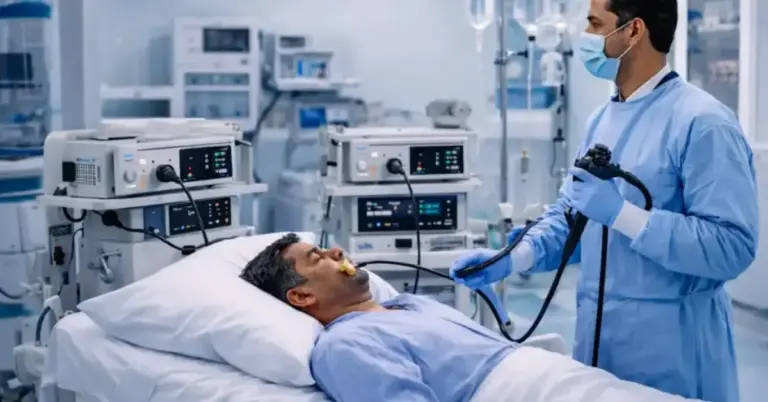
Endoscopy, colonoscopy, and ERCP are advanced diagnostic and therapeutic procedures used to examine the digestive tract. They help detect ulcers, tumors, stones, and inflammation. Using flexible scopes with cameras, doctors can visualize internal organs, take biopsies, and perform treatments with minimal discomfort, ensuring accurate diagnosis and faster patient recovery outcomes.
Key Features
High-Precision Visualization
These procedures use high-definition cameras and flexible scopes to provide clear, magnified views of internal digestive organs, enabling accurate identification of abnormalities.
Minimally Invasive Approach
No major incisions are required, reducing pain, complications, and recovery time, making these procedures safer compared to traditional surgical diagnostic methods.
Diagnostic and Therapeutic Use
Beyond diagnosis, these techniques allow doctors to remove polyps, control bleeding, take biopsies, and treat certain digestive conditions during the same procedure.
Real-Time Assessment
Doctors can instantly view and assess the digestive tract in real time, helping in immediate decision-making and faster initiation of appropriate treatments.
Safe and Well-Tolerated Procedures
With modern sedation techniques and monitoring, most patients experience minimal discomfort, ensuring a safe and smooth experience during and after the procedure.
Essential for Digestive Disease Management
They play a crucial role in detecting cancers, gallstones, liver-related conditions, and chronic gastrointestinal diseases, improving early diagnosis and long-term patient outcomes.