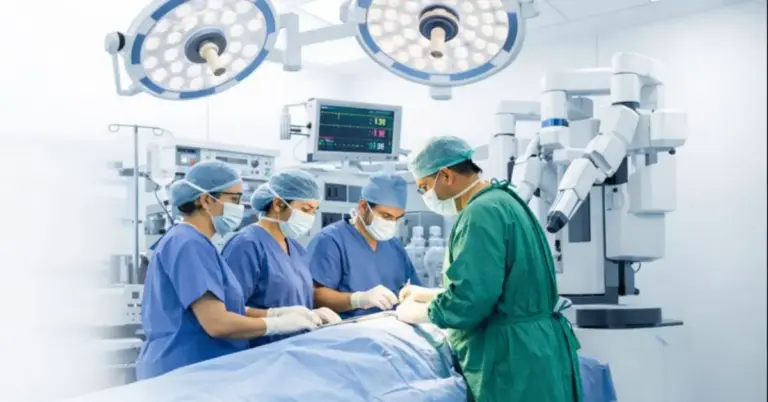
An operation theatre is a sterile, well-equipped medical facility designed for performing surgical procedures safely. It ensures infection control, precision, and patient care through advanced equipment, trained staff, and strict hygiene protocols. Proper ventilation, lighting, and organization help surgeons perform efficiently while minimizing risks and improving successful surgical outcomes.
Key Features
Sterile Environment
Operation theatres maintain strict aseptic conditions to prevent infections. Regular sterilization, controlled entry, and use of disinfectants ensure a contamination-free surgical space.
Advanced Surgical Equipment
Modern operation theatres are equipped with high-tech surgical instruments, monitoring systems, and anesthesia machines, enabling accurate procedures and improving patient safety.
Proper Ventilation System
A specialized airflow system, like laminar airflow, controls temperature, humidity, and air purity, reducing airborne contaminants and maintaining a safe surgical environment.
Optimal Lighting System
Shadow-free, high-intensity surgical lights provide clear visibility of the operating field, helping surgeons perform precise procedures without strain or visual obstruction.
Trained Medical Team
A skilled team including surgeons, anesthetists, and nurses ensures smooth coordination, patient monitoring, and efficient handling of surgical procedures.
Zoning and Layout Design
Operation theatres are divided into sterile, semi-sterile, and non-sterile zones, ensuring controlled movement, reducing contamination risks, and improving workflow efficiency.